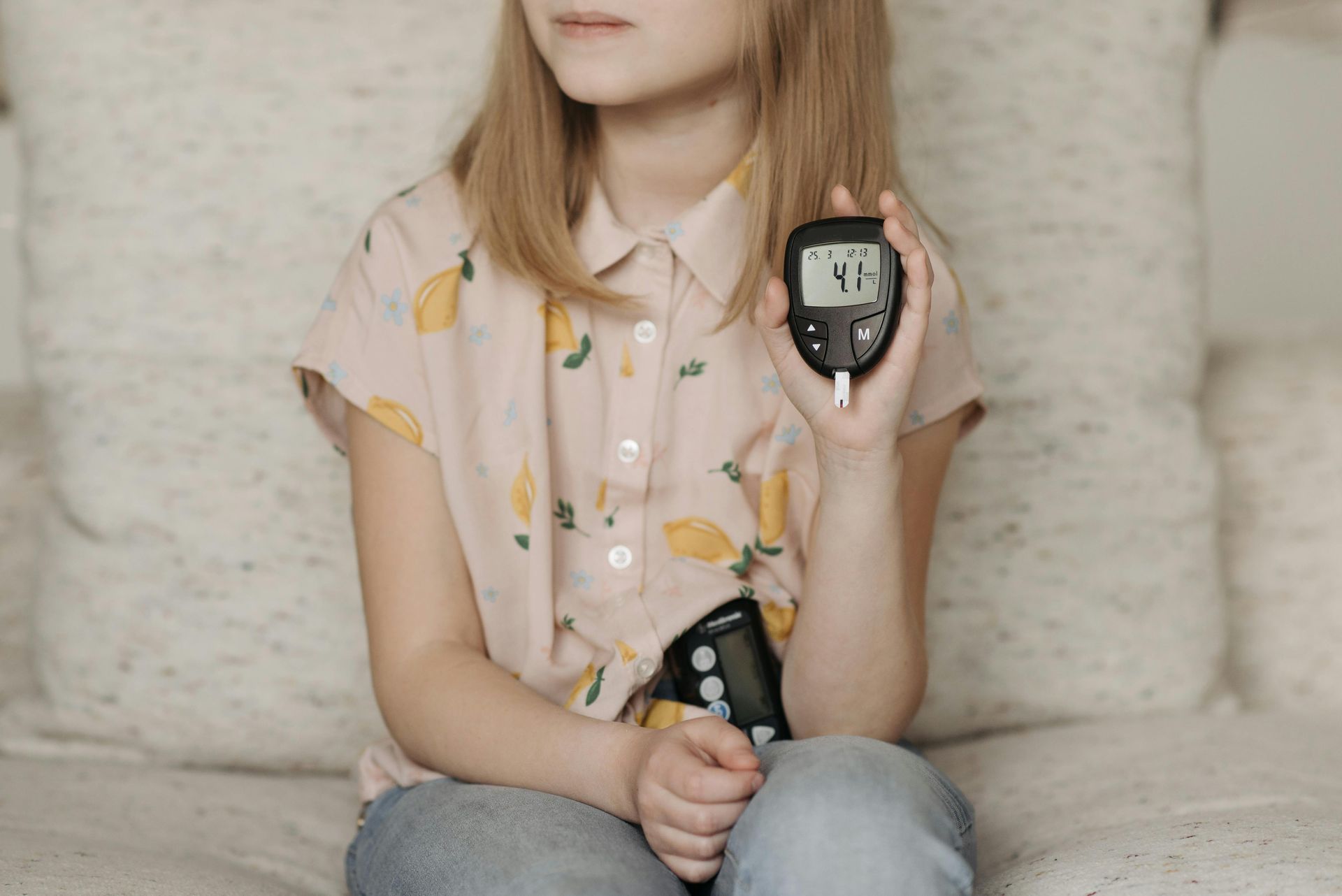
Type 1 Diabetes vs. Type 2 Diabetes

Graham Daugherty • December 18, 2017

Written by:
Shideh Majidi, MD
Assistant Professor, Pediatric Endocrinology

It is very common for people who don’t have type 1 diabetes to confuse type 1 (T1D) with type 2 diabetes (T2D). Adults (and occasionally teenagers) can be diagnosed with T2D when in fact they have T1D. So what is the difference between the two and how can someone tell if they may have been misdiagnosed?

T1D is an absolute deficiency of insulin due to an autoimmune process. The only treatment for someone with T1D is insulin via injections or an insulin pump. T2D is predominately due to insulin resistance. This means that the body is able to make insulin, but because it does not respond well to insulin (“insulin resistance”), it now needs more insulin than it can produce. Sometimes T2D can be treated with diet and exercise or oral medications, and sometimes it also needs to be treated with insulin. In both cases, people usually have symptoms of extreme thirst and needing to urinate a lot. However, it is much more common for someone with T1D to be severely ill at diagnosis than those with T2D, who often do not feel sick at diagnosis. Both T1D and T2D can run in families, but people with T2D are much more likely to have a relative with T2D. Most people with a new diagnosis of T1D have no known relative with the disease.
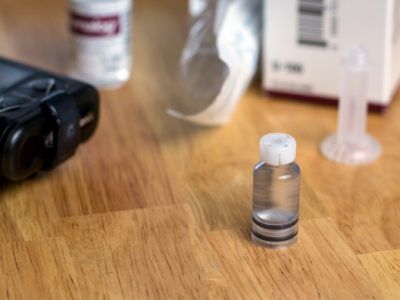
A small bottle of liquid is sitting on a wooden table.

ver 90% of children with diabetes have T1D, while the majority of adults with diabetes have T2D. However, T2D can be seen in children (most often in overweight or obese children after puberty has started) and T1D can occur in adults (often adults with T1D are leaner at diagnosis than those with T2D). In adults with T1D, it can sometimes take longer to lose the cells that make and release insulin (islet cells) compared to children, which can make it harder to distinguish between T1D and T2D.

When a child presents with diabetes, antibodies are often obtained and this, in addition to other clinical factors, are used to diagnose T1D versus T2D. If someone is misdiagnosed as T2D, they will notice that symptoms and blood sugars are not improving or are worsening on oral medications. They may continue to lose weight and will often become more and more ill until insulin is started. Children will notice this more rapidly than adults will. If there is any concern for misdiagnosis, it is important to talk with your doctor. Obtaining diabetes autoantibodies can help in determining whether someone has T1D.

Photos by Steele Style Shots
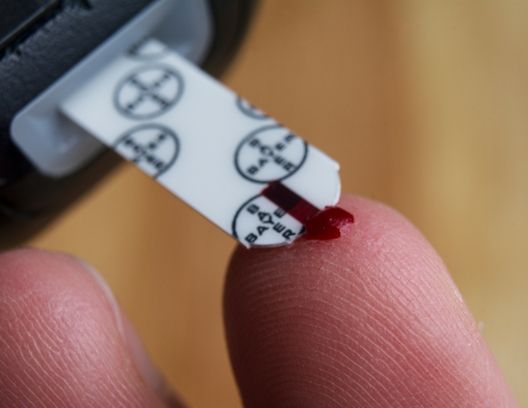
Closeup image of someone pricking their finger to test blood
A woman is doing a split with the words if i can just inspire one person
By Sasha Amiscaray April 15, 2026
TL;DR After 15 years of living with type 1 diabetes, Sasha shares her journey from diagnosis and denial to acceptance, advocacy, and a career in healthcare. Through challenges like fear of injections, managing diabetes as an athlete, and navigating school and college, she discovered strength, community, and purpose. Her story shows that while diabetes is difficult, it can also shape identity, open doors, and lead to meaningful connections and opportunities.
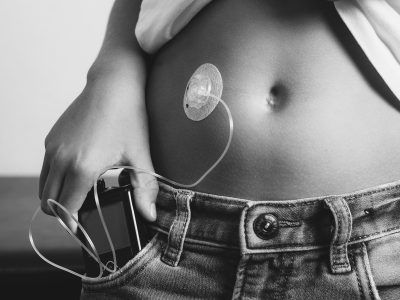
A black and white photo of a person with an insulin pump on their stomach
By Dr. Holly O'Donnell April 3, 2026
Type 1 diabetes affects mental health in youth and families. Learn about risks like depression, anxiety, and distress, plus support options and when to seek help.
A young boy in a white sweater is standing next to a cabinet.
By R. Paul Wadwa, MD, Professor of Pediatrics at the BDC April 2, 2026
Type 1 diabetes is often misdiagnosed as flu, UTI, or viral illness. Learn key symptoms, DKA warning signs, and when to ask your doctor for testing to avoid delays.
Author and type 1  diabetic Madeline in a research lab
By Madeline VanOrman March 20, 2026
Follow one patient’s journey with type 1 diabetes from childhood diagnosis to college life, sharing challenges, independence, and finding support along the way.
A cartoon illustration of a white monster with horns waving.
By Cheryl Lebsock March 18, 2026
A parent shares how naming type 1 diabetes “Frank” and reframing it helped protect their child’s identity, improve mental health, and strengthen family support.
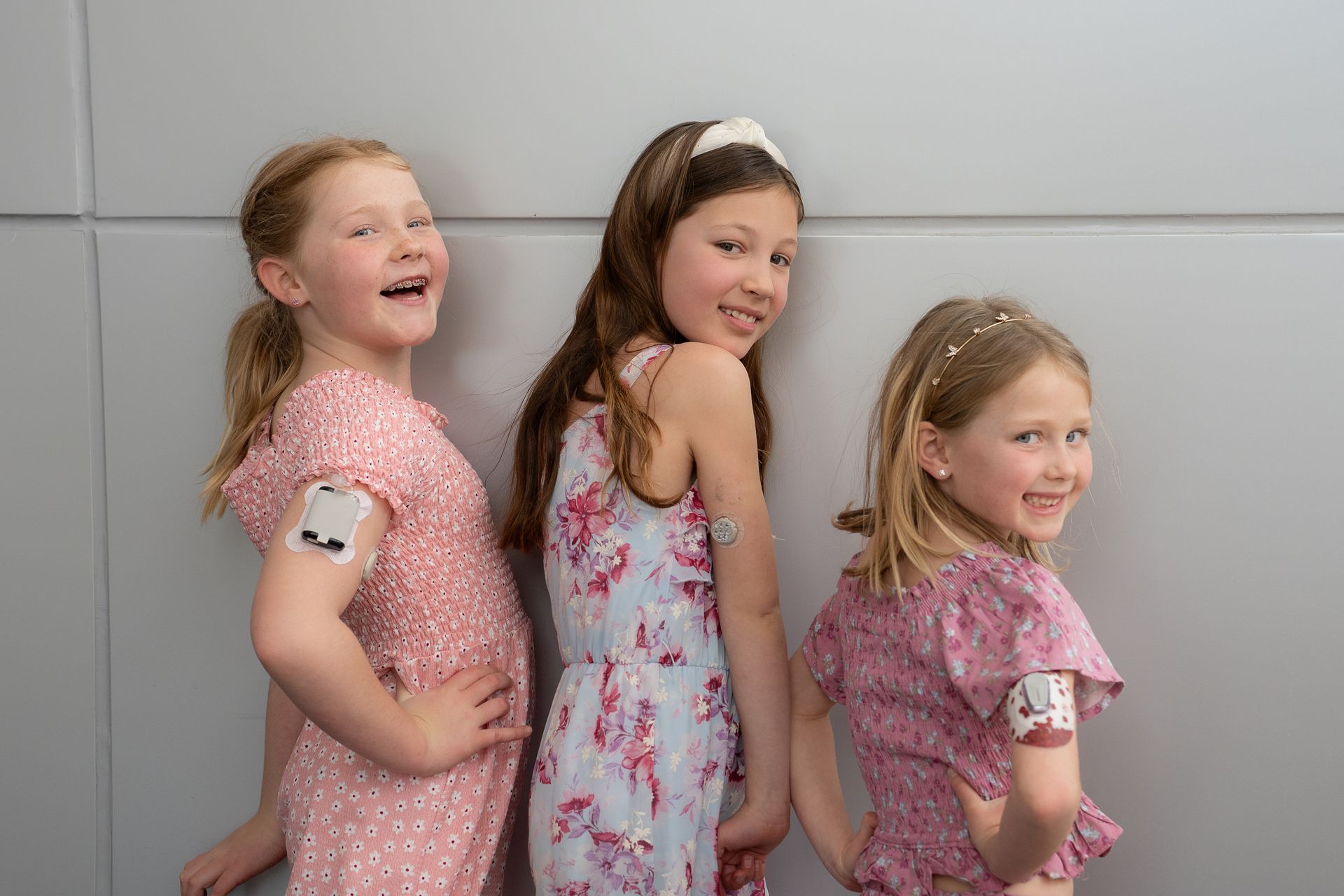
Three young type 1 girls with CGMs on their arms.
By CDF Staff March 18, 2026
Donate your Colorado state tax refund to the Children’s Diabetes Foundation. Learn how to use form DR 0104CH to support T1D patients and families.
Young girl with her blood glucose monitor and insulin pump
By Hali Broncucia, Research Scientist at the Barbara Davis Center for Diabetes March 16, 2026
Learn the three stages of type 1 diabetes and why early screening matters, including how detection can reduce DKA risk and delay onset with new therapies.
A group of people are posing for a picture in a living room.
By Stacy Robinson June 14, 2024
With Father’s Day just around the corner, I am thinking about my dad even more than I usually do. He was a special man who lived a remarkable, impactful life right up until the day he passed away at the age of 98, a little over a year and a half ago. He was a decorated World War II veteran, a bookie in Vegas during the Rat Pack era who married the love of his life between rounds of a prize fight, and who later went on to become a successful entrepreneur. Most importantly though, he was a devoted husband, father and grandfather.
A man and a woman are posing for a picture in a parking lot.
By Lindsay Klatt June 14, 2024
Author: Lindsay Klatt Being the dad of two daughters already has its highs and lows; having one of them (who admittedly was already a little feisty) diagnosed with type 1 diabetes makes him a saint. My wonderful dad navigated these challenges with such love and grace. As we approach Father’s Day and as I recently celebrated my 27th Diaversary, I reflect on the things he deserves to be thanked for. There are too many to count and no way to properly express gratitude for the additional struggles type 1 fathers face, but here’s a toast to a few of the things etched on my heart: Cheers to my dad who, when I was diagnosed, had the best balance of acknowledging the sadness of the event and being encouraging for the future. It made me feel seen to see him upset, and to see him determined. He has always maintained that balance I am so grateful for.