My Letter to the School Nurses
Graham Daugherty • August 16, 2018
By Nicole Werner, who wrote and delivered this speech to the county’s heads of nursing and healthcare when they would not allow her to make any adjustments to her daughter’s health plan during the school day.
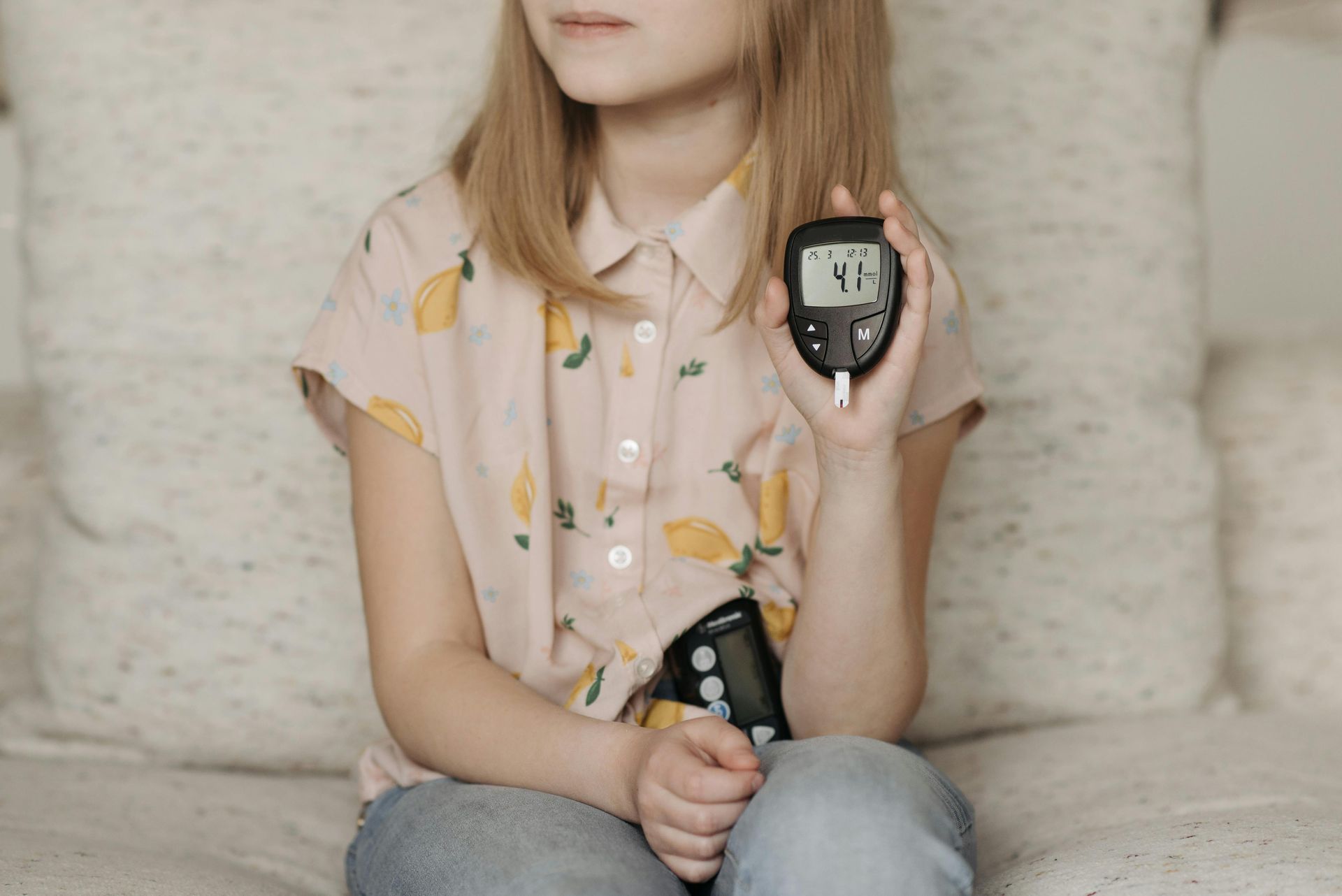
This is hard. This disease is hard. It’s probably the most complex and misunderstood disease you as health professionals encounter in the school setting. The facts of this disease are that it’s unpredictable, it’s unexplainable at times, and there is no one size fits all approach to treat this disease. I have become her internal organ because it doesn’t work on its own for her. The endocrinologists will be the first to admit that I know how to be this organ for my daughter better than they do because every type 1 diabetic is different and responds differently to different things. They are not living with us to see how and what impacts her differently. We do. We live this every day. She does. It is her body. She knows how she feels.
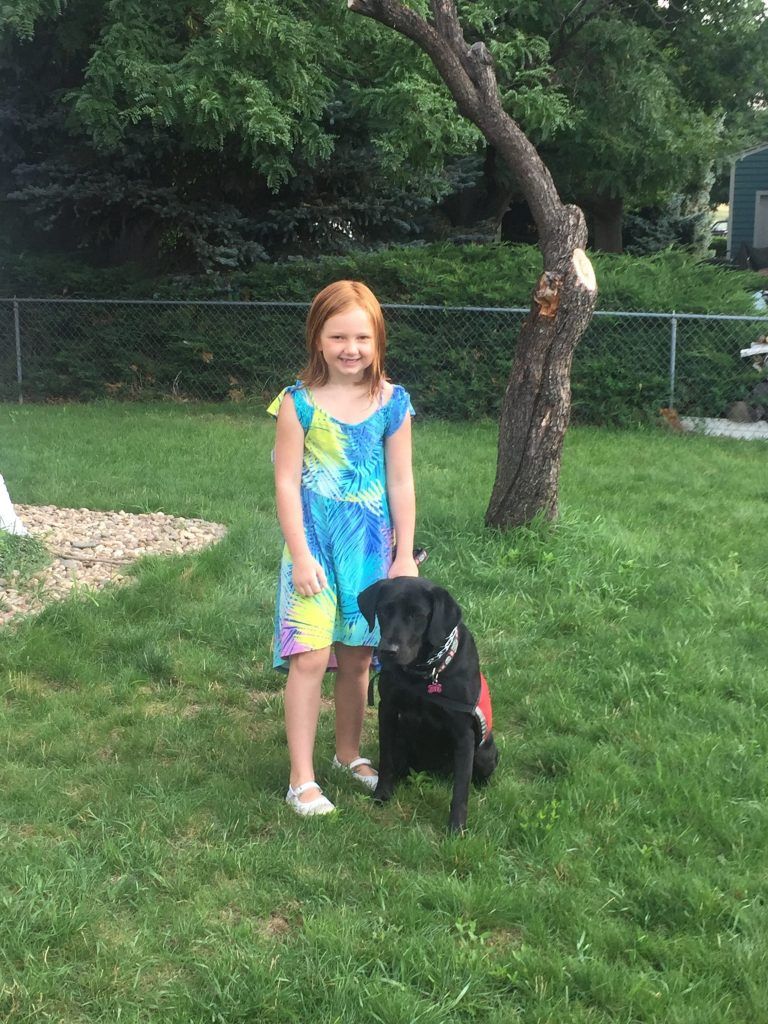
Now I understand and comprehend what the position you are coming from. I do. However, there is a beautiful soul sitting just down the hall from us. Does she care that you don’t have funding to put a fully trained nurse in school with her full time? Does she care that mistakes have been made by understaffed, unqualified, arguably untrained aides and nurses in the district? No, she doesn’t. Do you know what she cares about? She cares about being 7. She cares about being just like the rest of her peers and not standing out. She cares about being able to learn in school and feel good while doing it so she can perform at her best. She cares about being safe.
She worries that she will die.
She worries that when she is in a low and patiently waiting at her desk for someone to come treat her that they get there in time. That she doesn’t have a seizure or pass out in front of her classmates because that would be embarrassing and scary. Because she is 7 she doesn’t question authority and even though there are low treatments right next to her she waits. Hoping they get there in time, knowing she doesn’t feel right and is starting to lose the ability to care for herself. You might say it was only two minutes but to her it’s an eternity hoping and praying she survives.
So, all these reasons you give for why you cannot properly care for her do no matter to her. What matters to her is that she can come to school every day and be safe, happy and can perform at her best. In fact, she has a legal right to do just these things. So, your reasons aren’t acceptable to her or to me. It’s not a problem we can fix. It’s a problem you must fix.
Now back to diabetes. Even the best laid plans fail at times. Especially with diabetes. It is a disease that just doesn’t play fair. You can do everything perfect and according to plan and things still go wrong. Sometimes very wrong. As I have said a thousand times this is not a black and white one size fits all disease and to treat it that way is a grave mistake.
There are so many factors and decisions we make every minute of every day to do our best to manage this disease. We need all the information and we need to use common sense at times. We can’t just blindly follow a set of rules. We use them as guidelines, but we need all the information to make an informed decision. One of those sources of information comes from being an internal organ for my daughter for the past 21 months. We know she is super sensitive to carbs at certain times. We know she tends to be more resistant to insulin at other times.We know that activity can drop her 100 points in a matter of minutes. We have seen it. We know what illness does to her blood sugars. We now know that we need to bolus for eggs because they spike her blood sugar. We know how each food affects her differently. Pizza, pasta, rice, fried foods, foods with high fat contents all affect her differently. The list goes on and on. To deny this source of information in your schools is a terrible and tragic mistake.

You are all mothers correct? Imagine this was your child. What would you do? How would you respond? At this point in my experience with the schools I have very little confidence and trust that the proper time, knowledge, or resources have been provided to care for my daughter. The only thing that has gotten me through the past 21 months in the school setting is knowing I am involved and can call and have as much or as little contact with the people caring for my daughter as I need. Knowing that if we need to make some changes that day we can do them without issue. Knowing that if there is something that they are unsure about they will call me and ask me what they should do. If you cut me out of this process, why would I feel that my daughter is safe? All that has been proven to me this year is that nurses are very undertrained when it comes to diabetes and nurses and health aides are all overcommitted and that leads to miscommunication and no time for listening.
Time is of the essence with this disease. Having to communicate to multiple different people to get something done is not a valid option. It takes too much time. At that point what needed to be done needed to be done 20 minutes ago. This is a real life on the line guys. She is a very sweet red head sitting down the hall.
So as Mother’s I ask you why should I put that beautiful girl’s life in your hands? If you were me, would you?