Going to an Outdoor Camp with Type 1 Diabetes: A New Level of Independence

Graham Daugherty • December 14, 2015

I am Scott Fowle and my son was diagnosed with Type 1 Diabetes when he was six years old. John is now fifteen and this summer, we sent him to a week-long overnight camp by himself for the first time. This camp was geared towards the outdoors, not diabetes, so I was a little hesitant to entrust his care to people who might not understand the complexities of diabetes care.nnJohn and I have always gone to summer camp together. I became a scout leader so I could experience scouting with him, but also to keep an eye on his blood sugars. Each summer, I would take a week from work and the two of us would head to the mountains for camp. This allowed me to continue his midnight and 2 a.m. checks and to balance the activity levels against the s’mores. First grade, Second, Third, Fourth, every year until 10th grade. Each activity would affect his blood sugar differently: Rock Climbing: high. Swimming: low. Horseback riding: high.nnTo make matters worse, the food was never the same.

They rarely had an accurate carb count, which always creates a questionable guessing game. How many carbs in a Chicken Fried Steak? A biscuit? This only got worse as the teen years started and he was able to eat incredible proportion sizes that could only be explained by magic.nnOn one of our shared camping adventures, John went on a special one-night backpack trip just outside of our base camp. Just before bed, I went to check on him. He was 60 just after he had eaten. We tried gels to raise his blood sugars since they were smaller and easier to carry on the backpack overnight, but the consistency of the gels, in combination with the low, made him sick. He couldn’t keep anything down. My mind was racing through the scenario where I would have to ride back to camp for juice or escape to the hospital to get him emergency care.

A picture of a mountain with a white circle in the middle.

These rescue attempts are much more difficult when you’re backpacking in the woods with limited reception and resources. I couldn’t imagine what would happen if I wasn’t there in case of an emergency. The thought of leaving John on his own at a camp was nothing short of terrifying.nnBut at fifteen, maybe it was time (or past time) to stop hovering, and let our highly responsible, almost eagle-scout figure it out on his own. We had sent our two (non T1) daughters to a church-led, mountain-top, outdoor adventure camp the prior year, and it was an experience we wanted for John also. They had a pediatrician, which made us feel much better. She was not the “juice fairy” from diabetes camp, but she had no major concerns and the camp directors were up for it too

A picture of a mountain with a white circle in the middle.

After meeting with them several times and going through our normal training course with them, they were undeterred and even excited for John. So, we let go. We prayed a lot. We slept a little. And in the end, John had a fabulous experience. Through all of the climbing, hiking, and whitewater rafting, he had managed his own diabetes incredibly well.


Some of the things that we were 100% essential to our survival:

  • The knowledgeable and devoted camp staff
  • The daily text or email from the camp with brief updates to keep our minds occupied
  • A training session for the staff prior to the camp
  • A Medtronic CGM and pump
  • Juice (and lots of it)
  • One bright, courageous and brave young man who has lived with Type 1 for longer than he can remember!

A picture of a mountain with a white circle in the middle.
A woman is doing a split with the words if i can just inspire one person
By Sasha Amiscaray April 15, 2026
TL;DR After 15 years of living with type 1 diabetes, Sasha shares her journey from diagnosis and denial to acceptance, advocacy, and a career in healthcare. Through challenges like fear of injections, managing diabetes as an athlete, and navigating school and college, she discovered strength, community, and purpose. Her story shows that while diabetes is difficult, it can also shape identity, open doors, and lead to meaningful connections and opportunities.
A black and white photo of a person with an insulin pump on their stomach
By Dr. Holly O'Donnell April 3, 2026
Type 1 diabetes affects mental health in youth and families. Learn about risks like depression, anxiety, and distress, plus support options and when to seek help.
A young boy in a white sweater is standing next to a cabinet.
By R. Paul Wadwa, MD, Professor of Pediatrics at the BDC April 2, 2026
Type 1 diabetes is often misdiagnosed as flu, UTI, or viral illness. Learn key symptoms, DKA warning signs, and when to ask your doctor for testing to avoid delays.
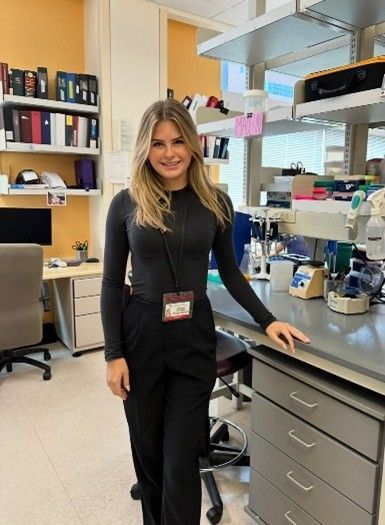
Author and type 1  diabetic Madeline in a research lab
By Madeline VanOrman March 20, 2026
Follow one patient’s journey with type 1 diabetes from childhood diagnosis to college life, sharing challenges, independence, and finding support along the way.
A cartoon illustration of a white monster with horns waving.
By Cheryl Lebsock March 18, 2026
A parent shares how naming type 1 diabetes “Frank” and reframing it helped protect their child’s identity, improve mental health, and strengthen family support.
Three young type 1 girls with CGMs on their arms.
By CDF Staff March 18, 2026
Donate your Colorado state tax refund to the Children’s Diabetes Foundation. Learn how to use form DR 0104CH to support T1D patients and families.
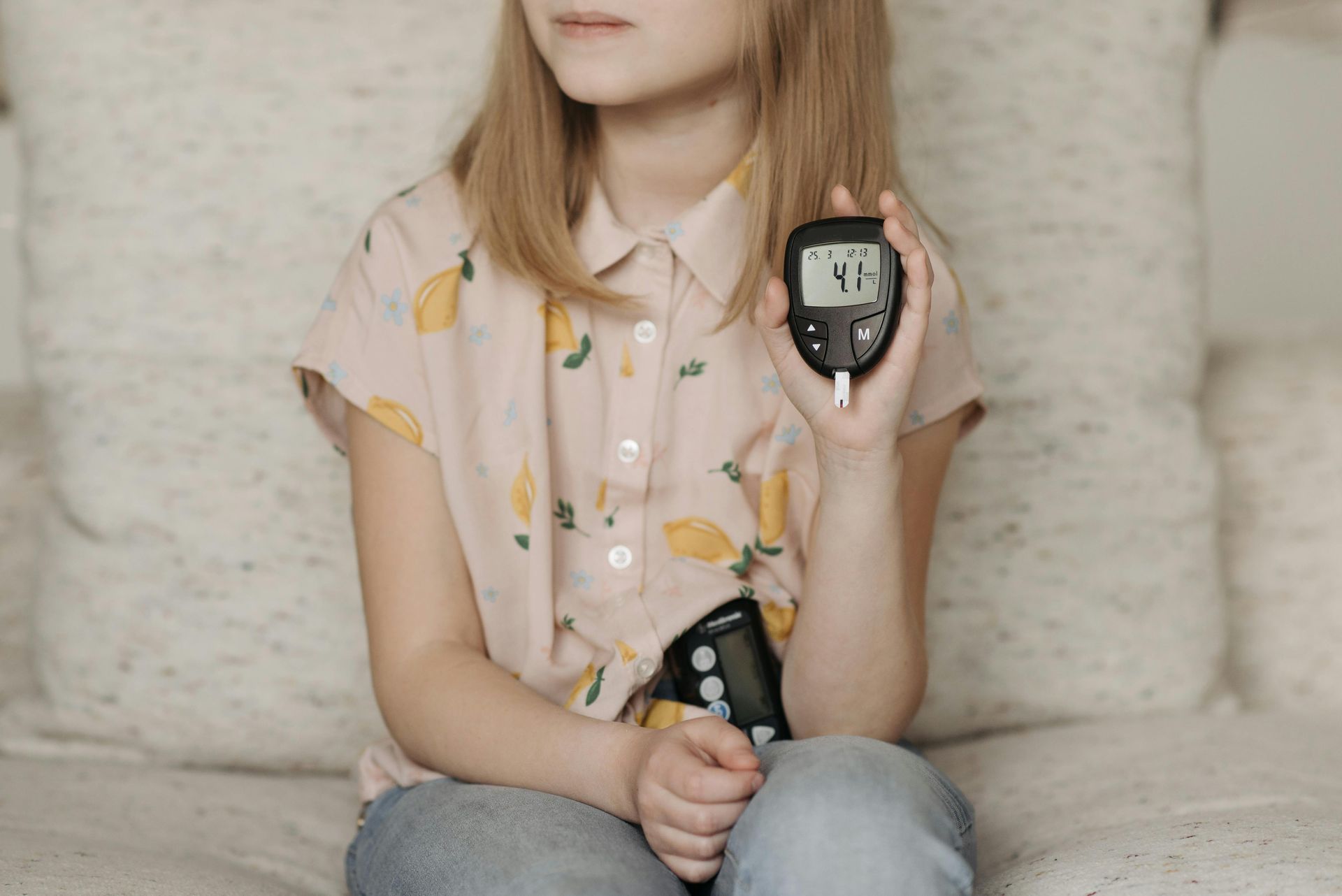
Young girl with her blood glucose monitor and insulin pump
By Hali Broncucia, Research Scientist at the Barbara Davis Center for Diabetes March 16, 2026
Learn the three stages of type 1 diabetes and why early screening matters, including how detection can reduce DKA risk and delay onset with new therapies.
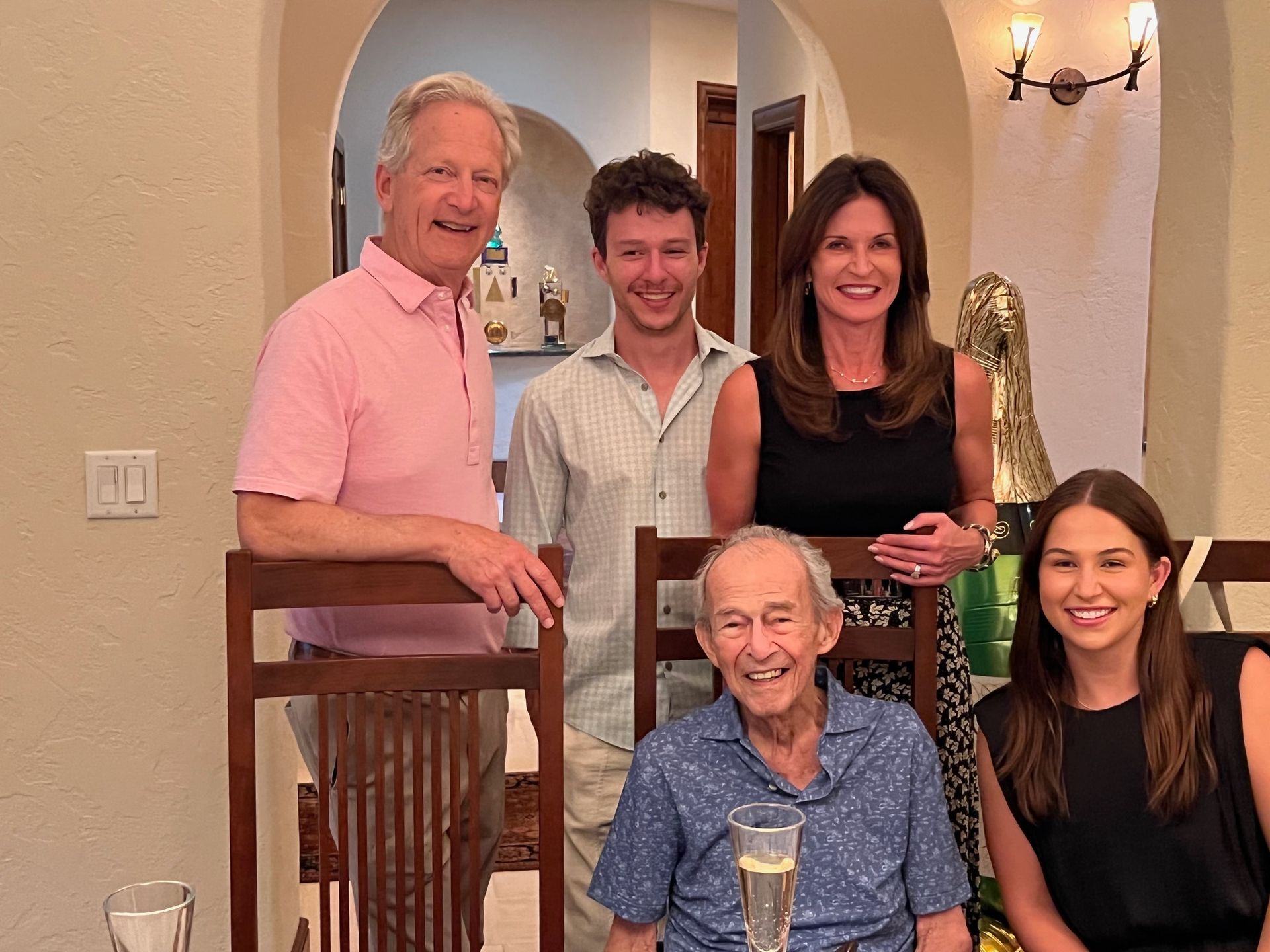
A group of people are posing for a picture in a living room.
By Stacy Robinson June 14, 2024
With Father’s Day just around the corner, I am thinking about my dad even more than I usually do. He was a special man who lived a remarkable, impactful life right up until the day he passed away at the age of 98, a little over a year and a half ago. He was a decorated World War II veteran, a bookie in Vegas during the Rat Pack era who married the love of his life between rounds of a prize fight, and who later went on to become a successful entrepreneur. Most importantly though, he was a devoted husband, father and grandfather.
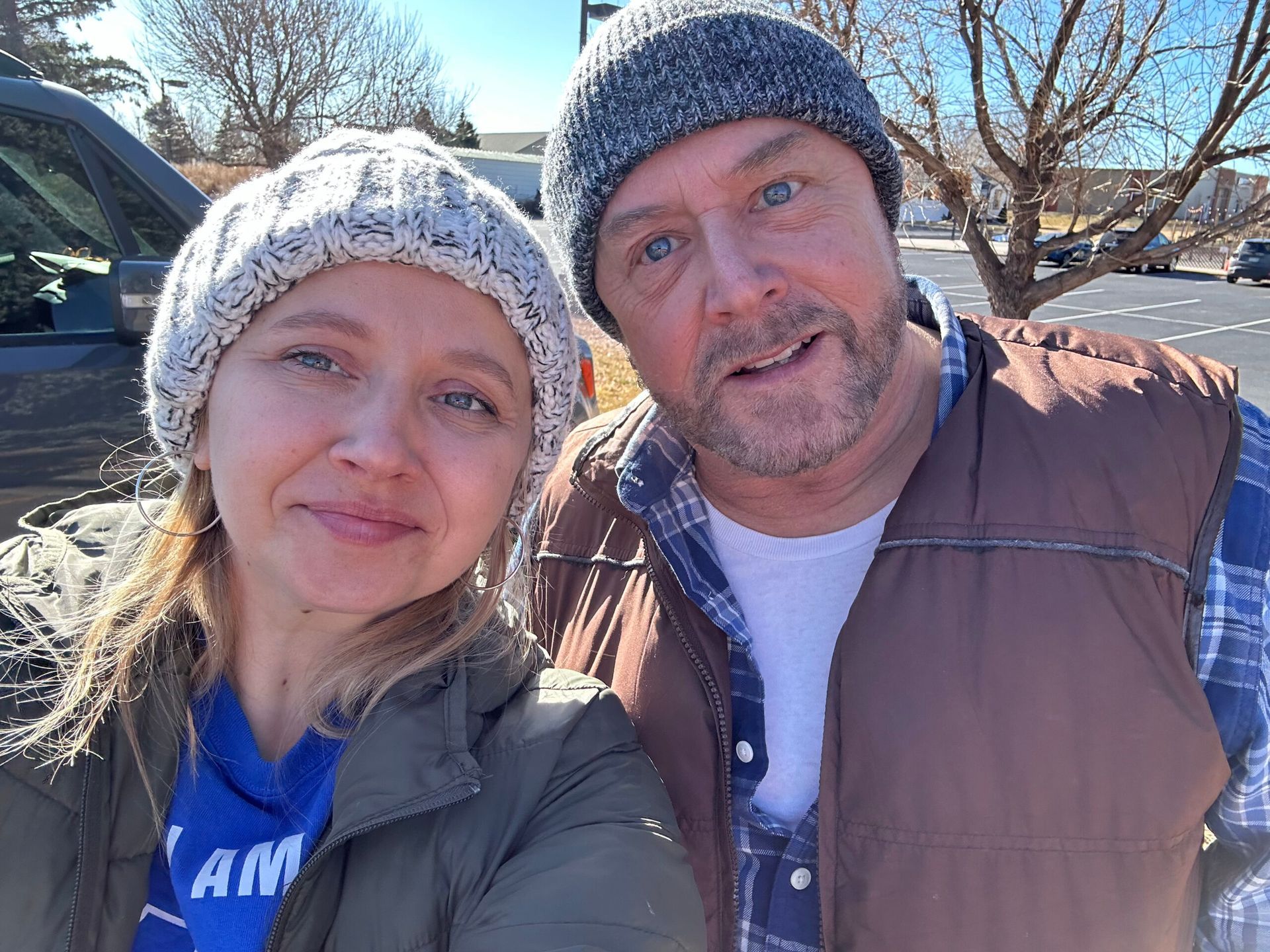
A man and a woman are posing for a picture in a parking lot.
By Lindsay Klatt June 14, 2024
Author: Lindsay Klatt Being the dad of two daughters already has its highs and lows; having one of them (who admittedly was already a little feisty) diagnosed with type 1 diabetes makes him a saint. My wonderful dad navigated these challenges with such love and grace. As we approach Father’s Day and as I recently celebrated my 27th Diaversary, I reflect on the things he deserves to be thanked for. There are too many to count and no way to properly express gratitude for the additional struggles type 1 fathers face, but here’s a toast to a few of the things etched on my heart: Cheers to my dad who, when I was diagnosed, had the best balance of acknowledging the sadness of the event and being encouraging for the future. It made me feel seen to see him upset, and to see him determined. He has always maintained that balance I am so grateful for.