Small Town, Homegrown Girl: Living with Type 1 Diabetes in Rural Colorado
Trystan H., a recipient of the Charlotte Tucker Scholarship from CDF and T1D • March 28, 2020
TL;DR
After being diagnosed with type 1 diabetes in a small Colorado town with limited T1D resources, Trystan and her family traveled hours to Denver for specialized care. Feeling isolated at first, she later found community through diabetes camp and discovered a passion for diabetes education and advocacy. Her story highlights the challenges of accessing care in rural communities and how living with T1D inspired her future career goals.
Growing Up with T1D in a Small Town
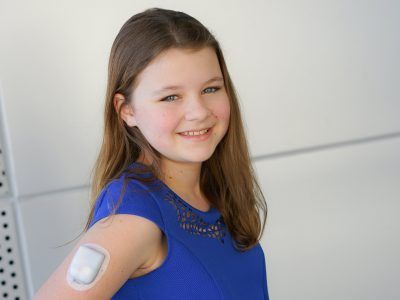
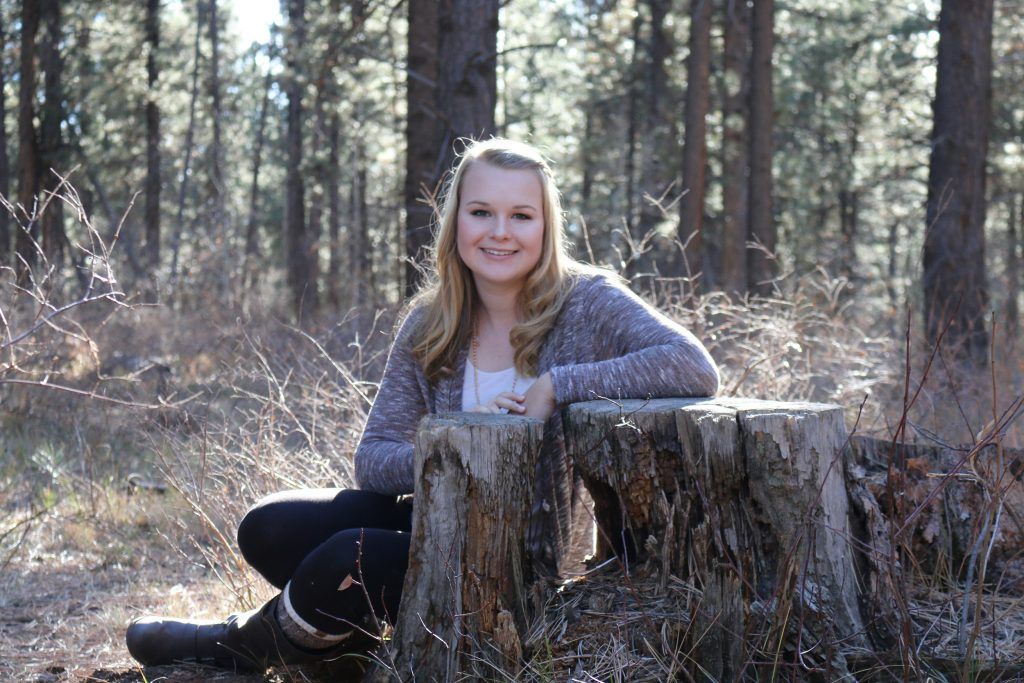
I grew up in a small town in Colorado. When I was diagnosed in 2012, the best option for treatment was to travel to Denver, Colorado. In my hometown, type 1 diabetes is uncommon. For a few years, I was the only person I knew that had it. The local resources were very knowledgeable of type 2 diabetes, but, as a type 1 diabetic, the wisest option was to go to Denver and speak with medical professionals who specialized in type 1 diabete
Traveling Long Distances for Specialized Diabetes Care
After the first trip to Denver, we had to make the journey to Denver every three months for a check-up and adjustment. As a kid, I did not fully understand the stress and pressure this put on my parents, and I am so grateful that they made sure I got the best treatment possible despite the fact that it was extremely time consuming and costly to travel there so often. Every visit was at least a three-day trip. That means three days had to be taken off of work. Three days of expensive travels, hotels, and meals had to be arranged. Now, as I am older, looking back on the many sacrifices my parents had to make for my health is mind-blowing to me.
Feeling Isolated After a Type 1 Diabetes Diagnosis
As a new diabetic, I did not know anyone else who was in the same boat as me. Honestly, this was really hard. There wasn’t anyone my age that I could talk to that understood what it was like to live with type 1 diabetes. The first time that I met other people my age with it was at a summer camp that I attended a couple years after I was diagnosed. I traveled over eight hours to get to this camp because my parents and doctors both thought that it would be an important experience.
Finding Community at Diabetes Camp
Once I arrived, I was shocked at how many kids were there, all with diabetes. I went from being surrounded by zero type 1 diabetics to hundreds of them in just a few hours. Attending the camp made me feel better because my lifestyle blended into all of the others there. The counselors did not judge us and the other kids there understood everything that I had gone through the past couple of years because they had gone through it too. That week of camp is a week that I will remember for a very long time.
Educating Others About Type 1 Diabetes in School
Since knowledge of type 1 diabetes is minimal in the town that I grew up in, I have gained a passion for speaking and teaching others about it. I used every chance I got in high school to do a presentation or project to talk about diabetes. I wanted to reach as many people as possible. I remember doing a science project in biology class on my blood glucose levels and sharing my results with the class. I also wrote papers about diabetes and research in my English classes.
The biggest way I impacted my community was during my senior year. I had to do a huge project on a topic of my choice that involved making the world a better place. I decided that I would present on diabetes education in elementary schools. This project gave me the opportunity to teach elementary school kids about both type 1 and type 2 diabetes and I am so thankful that I can use my experiences with the disease, both good and bad, to educate others.
Turning a Diabetes Diagnosis into a Career Passion
Luckily, since my diagnosis, more resources have become available that are closer to home. I am so thankful for that, especially now that I have the responsibility of my diabetes now. Unfortunately, as time goes on, type 1 diabetes becomes more common, so medical recourses in rural communities are becoming more available. I hope to continue this expansion of resources for type 1 diabetes with my career. I am currently hoping to become a Certified Diabetic Educator after I graduate with my Bachelor’s degree. My ultimate goal is to work in a rural community and help people that are in the same situation that I was in when I was diagnosed.
Sharing information about diabetes has been a passion of mine since early high school, and my future goals are still oriented around my diabetes. This condition has provided me with a passion for educating others, and my experience of living with it in a small town has really shaped this passion, as well. The lack of resources and people who also had it, I was driven to spread the information as much as I could, and this passion still exists within me today.
The Power of Screening & Early Detection for Type 1 Diabetes: The Diagnosis I Wish We Could Have Had