Diabetes is a Bump in the Road

Graham Daugherty • May 4, 2020

by Madeline V.

When I was first diagnosed as a type 1 diabetic at the age of 9, I was scared. Scared of being treated differently. Scared of not knowing how this would change my future. It was a tough adjustment: knowing what life was like before and knowing how different it was now. At 9, your only worry is supposed to be making friends and listening to your parents and teachers. Now, I had additional concerns about things that I barely understood. I was even hard on myself because I just wanted to be normal. I was the one to get scared every time we went in for flu shots, then all of the sudden I had to get at least three shots a day.

As if that wasn’t enough, there was a stigma around being type 1 diabetic because no one knew it is an autoimmune disease, unlike type 2 diabetes. Most of all, I dreaded birthdays. Whenever the birthday donuts would be passed around the class, I was never allowed to have one. That was when the teasing would start, reminding me of how different I was. The late night talks with my mom started and from then on, she became my therapist. One of the biggest positives I’ve gotten from diabetes is my stronger bond with my mom. I also enjoyed getting a phone at a young age in order to text my mom my blood sugars from school. Even with her help, I still felt alone, because I was the only one in my school with type one diabetes.
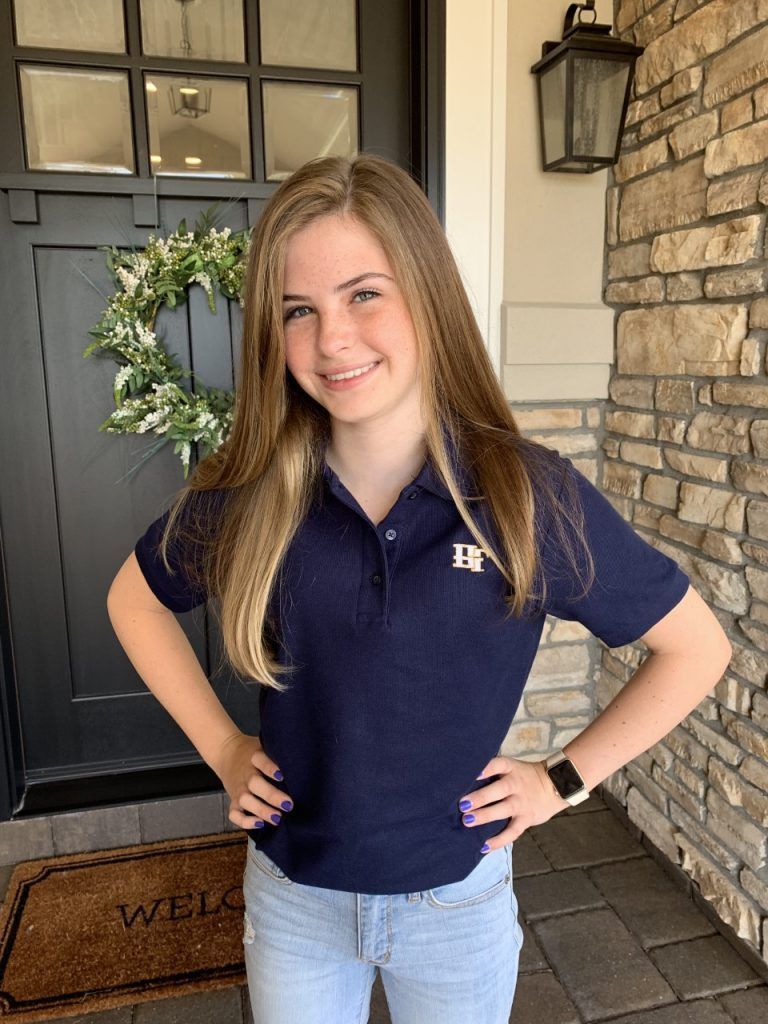
A young girl wearing a blue polo shirt is standing in front of a door with her hands on her hips.

It wasn’t until middle school, where I lost that lonely feeling. There were other kids there that had diabetes too. We went to the school nurse at the same time and it was fun to have friends to joke around with while checking our blood sugar levels. It felt like an opportunity to just be myself, without having to hide this big part of me. I had friends now that I could trust, outside of my family. I had other friends too, but it was hard to explain why I was checking my blood. Even walking down to the nurse with other friends was hard because they would always ask questions that I couldn’t answer because my blood sugar levels were low.

By the time I was in 8th grade, I gained confidence in myself and my diabetes. I was able to get on an independent plan, and no longer had to visit the nurse in order to get my mid-day insulin. I was able to do it all on my own with the help of a CGM (continuous glucose monitor) and my insulin pump. I always kept candy on me as well, so if I started to feel my blood levels dropping, I could take care of it right away. I was even able to walk down to lunch with my friends and not have to interrupt the class to go down to the nurse.

A cheerleader for the tigers is holding pom poms

High school was a fresh start for me since I was going to a new school away from all of my old friends. I didn’t have to be known as the girl who had diabetes anymore. At this point, I was able to control my diabetes and was used to being independent at school. I felt normal again and no one knew me for my diabetes. I had friends that liked me for me, not because they had sympathy for what I had.

I also made the varsity cheer team, which was exciting and nerve-wracking. I knew it meant I was going to have to be careful and pay extra attention to my blood sugars. Sure enough, I go low during many practices which can be scary, especially since I am a flier – the one tossed up in the air. My coach has been great and very understanding and always has candy or juice on her too, so I know I’m in good hands. I love being a cheerleader and I’m happy I didn’t let diabetes get in the way of something I really wanted to do!

In the end, diabetes doesn’t define me, and this disease wasn’t able to stop me from achieving my goals. It actually brought some wonderful things into my life, like gaining more confidence and bonding more with my family. Diabetes is definitely a bump in the road, but it is something I have been able to drive over.
A young boy in a white sweater is standing next to a cabinet.
By R. Paul Wadwa, MD, Professor of Pediatrics at the BDC April 2, 2026
Type 1 diabetes is often misdiagnosed as flu, UTI, or viral illness. Learn key symptoms, DKA warning signs, and when to ask your doctor for testing to avoid delays.
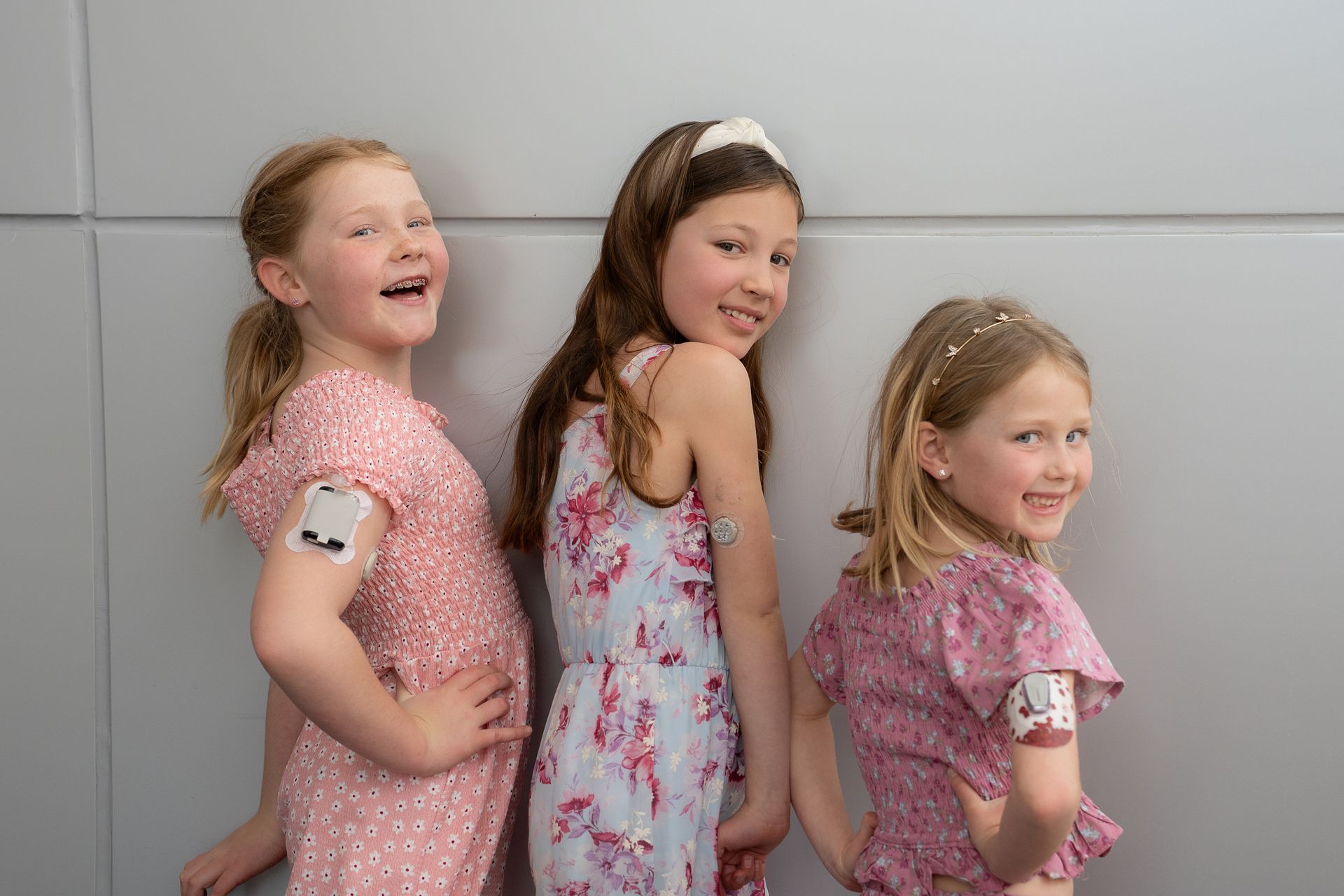
Three young type 1 girls with CGMs on their arms.
By CDF Staff March 18, 2026
Donate your Colorado state tax refund to the Children’s Diabetes Foundation. Learn how to use form DR 0104CH to support T1D patients and families.
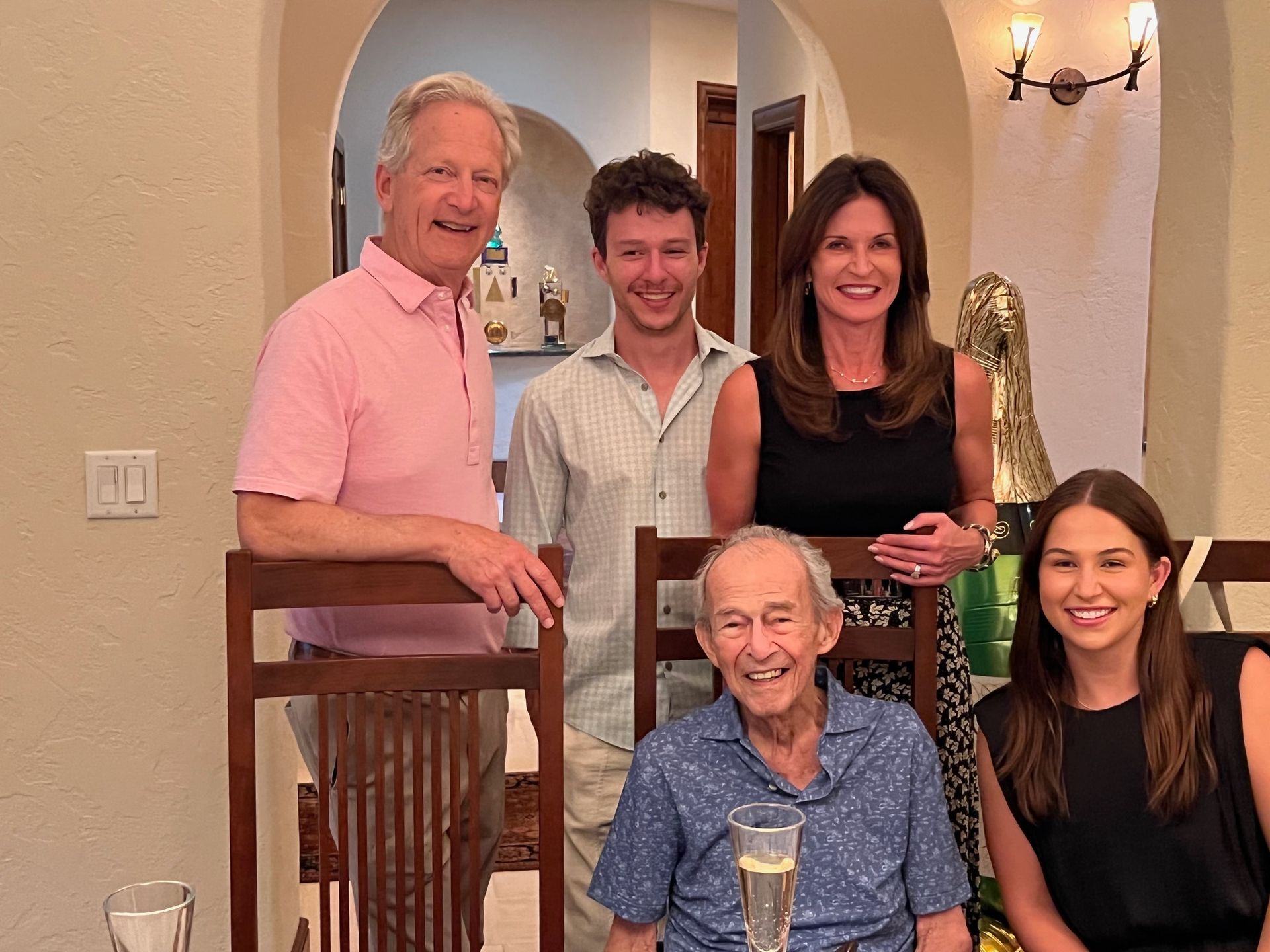
A group of people are posing for a picture in a living room.
By Stacy Robinson June 14, 2024
With Father’s Day just around the corner, I am thinking about my dad even more than I usually do. He was a special man who lived a remarkable, impactful life right up until the day he passed away at the age of 98, a little over a year and a half ago. He was a decorated World War II veteran, a bookie in Vegas during the Rat Pack era who married the love of his life between rounds of a prize fight, and who later went on to become a successful entrepreneur. Most importantly though, he was a devoted husband, father and grandfather.
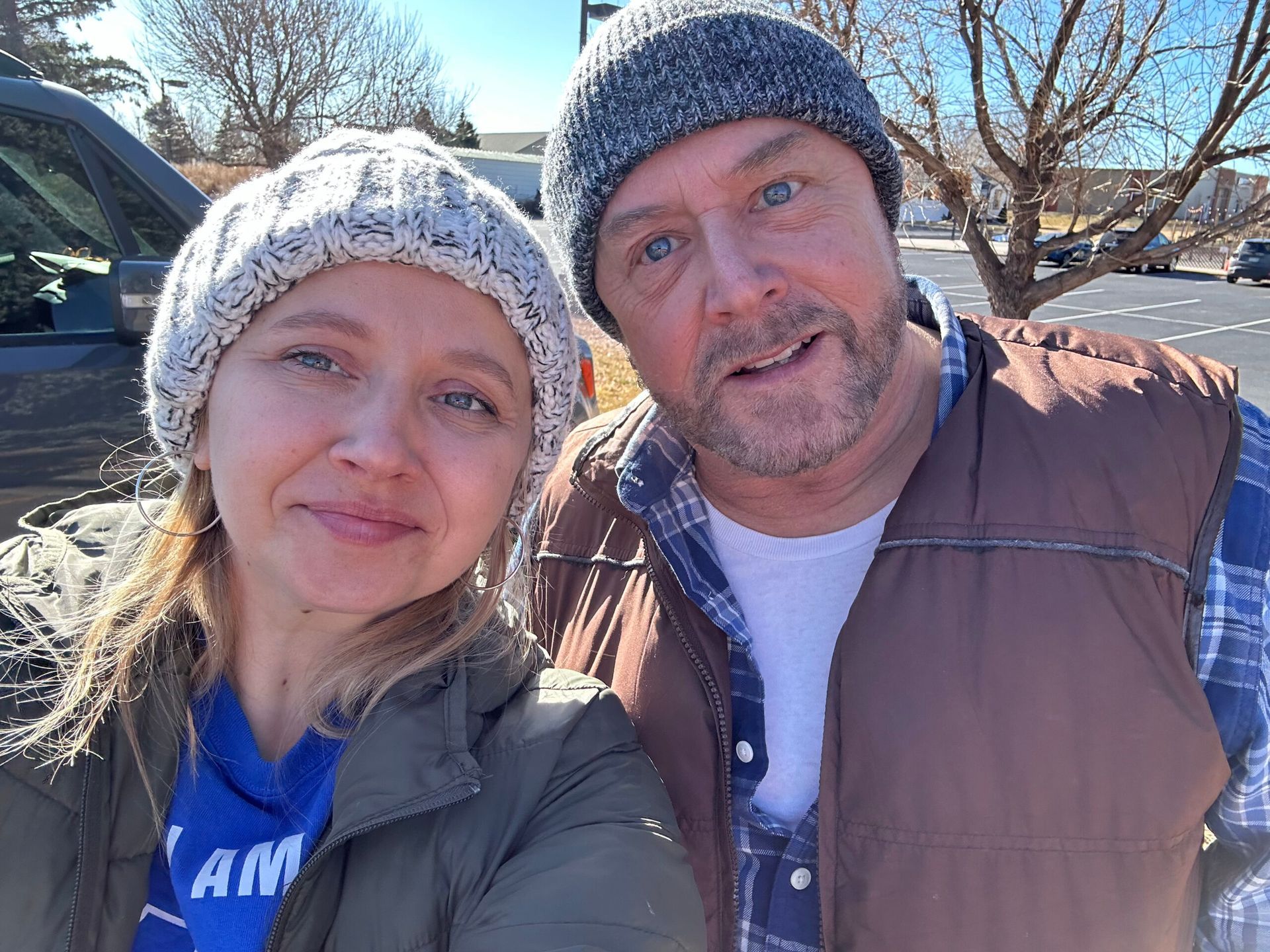
A man and a woman are posing for a picture in a parking lot.
By Lindsay Klatt June 14, 2024
Author: Lindsay Klatt Being the dad of two daughters already has its highs and lows; having one of them (who admittedly was already a little feisty) diagnosed with type 1 diabetes makes him a saint. My wonderful dad navigated these challenges with such love and grace. As we approach Father’s Day and as I recently celebrated my 27th Diaversary, I reflect on the things he deserves to be thanked for. There are too many to count and no way to properly express gratitude for the additional struggles type 1 fathers face, but here’s a toast to a few of the things etched on my heart: Cheers to my dad who, when I was diagnosed, had the best balance of acknowledging the sadness of the event and being encouraging for the future. It made me feel seen to see him upset, and to see him determined. He has always maintained that balance I am so grateful for.
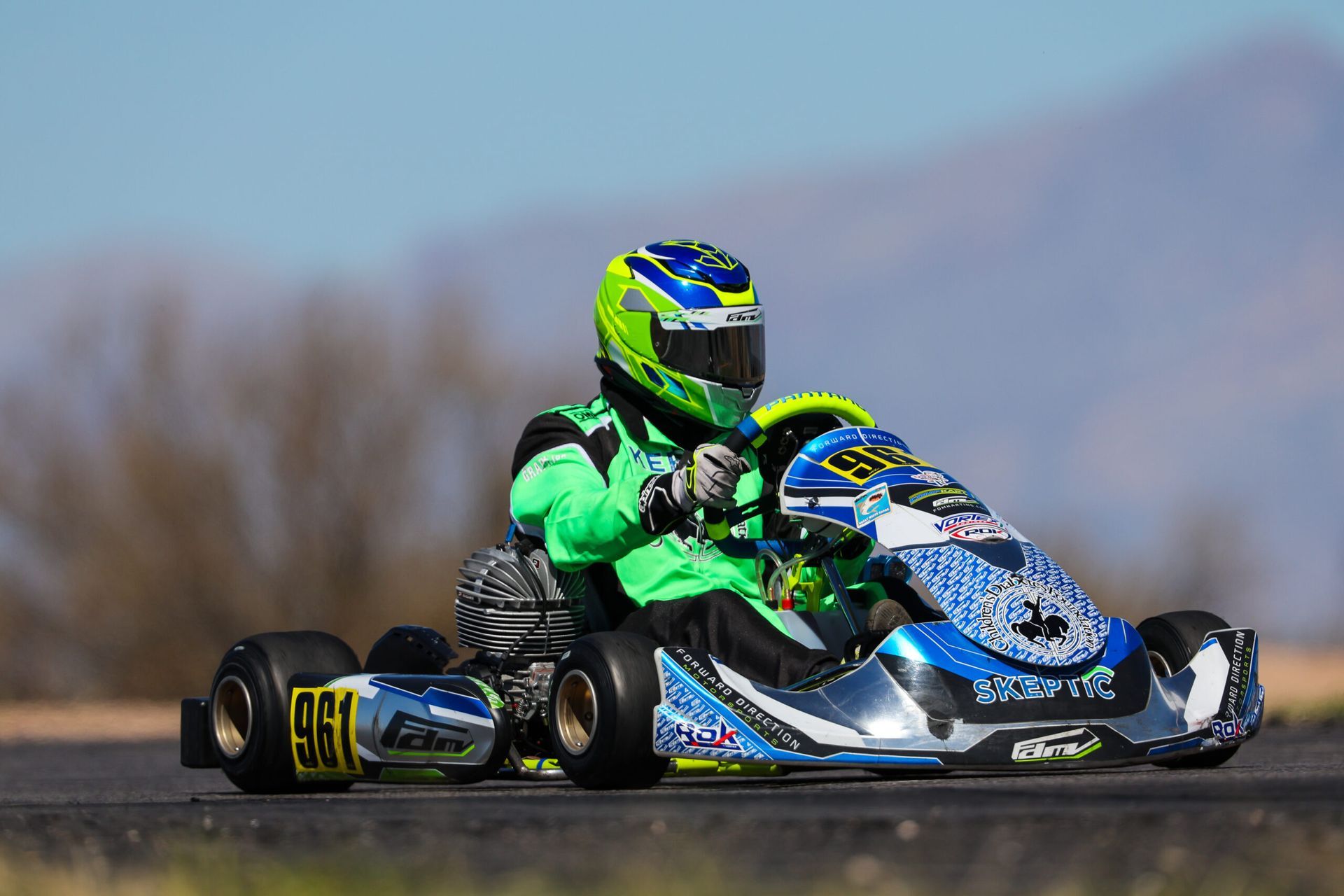
T1D patient Dylan Archer on race track.
By Dylan Archer March 8, 2024
Diagnosed with type 1 diabetes at age 8, Dylan refused to give up racing. Read his inspiring journey of resilience, technology, and championship success with T1D.
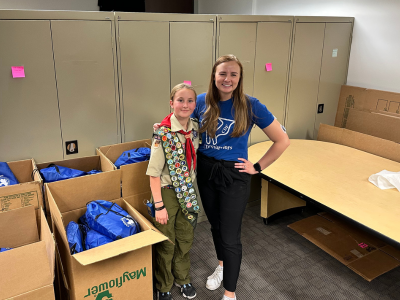
Two girl scouts are standing next to each other in a room filled with boxes.
By Graham Daugherty January 9, 2024
By: Sarah Hathaway On October 10th, 2022 I earned my Life rank in Scouts BSA and began focusing on what was once a faraway goal: Eagle Scout. I had some ideas for my project and I knew I wanted to do something that means a lot to me and benefits as many people as possible; this led me to think about the Children’s Diabetes Foundation. I am an advocate for the organization and I know CDF has made an impact on others just like me so I was hoping I could come up with a plan to help families affected by T1D. I reached out to the Community Engagement Manager, Sydney. I believe that she was really confused and might not have heard about Eagle Projects before so she asked all about what I was looking to do and we talked about different options for projects. I asked her about the newly diagnosed onset bags for people with T1D that I remembered receiving from CDF when I was diagnosed in 2021. This was last June and we were both volunteering at the T1D Strong soccer camp. As camp went on we talked a lot and I offered some more ideas and the plan started coming together. I started to talk to diabetes-related companies to get additional informational materials to put in the bags. I got in contact with Dino from Omnipod and he was very helpful. He sent me a lot of informational packets, games, and even fake Omnipods for new patients to try before spending a lot of money on new technology. Unfortunately, other companies and organizations were not as responsive but there was already a lot of helpful stuff from CDF to go into the bags. I also did a fundraiser before my Eagle Project workday. I set a goal to raise money to put a restaurant gift card in each new onset bag because I remember going to lunch together as a family when I was discharged from the hospital. I knew that families could use that gift card and not have to worry about where to go. As I was fundraising, I found out that the Scouts BSA district person that I was working with, Pat, was associated with KFC. Pat put me in contact with the Regional Manager of KFC and through this contact, KFC donated 100 gift cards for the bags. Finally, on November 11th, 2023, I was able to carry out my project. I had been planning this for months and I was both nervous and excited. Sydney was kind enough to be at the CDF office on a day that she does not normally work and was so supportive. We set up the office to pack the bags and then people started to show up to help. We were able to do the project and even though we were only going to make 100 bags, the group ended up filling about 150 bags in less than an hour! Sydney and I then did a community information talk to over 30 people about our experiences with T1D and answered a lot of questions. It was awesome to look out in the audience at my Scout friends, neighbors, teachers, and family.
Type 1 Diabetes teenager on soccer field
By Gracie Lambrecht January 9, 2024
Learn about a teenage T1D soccer player. Discover tips for managing blood sugar, using CGM and insulin pumps, and staying game-ready as an athlete with T1D.
A picture of a mountain with a white circle in the middle.
By Graham Daugherty July 17, 2023
Eli Lilly has a ripple effect on making insulin more cost effective for T1Ds. Every day patients make critical decisions in rationing their insulin and we are hopeful this will help stop families from having to make such sacrifices. Thank you to Eli Lilly, Novo Nordisk, Sanofi! Watch the interview with Dr. Satish Garg: Diabetes doctor says it’s “high time” insulin prices are lowered Read more here:
A picture of a mountain with a white circle in the middle.
By Graham Daugherty July 17, 2023
Congratulations Dr. Satish Garg for being named the winner of the ATTD Lilly 2023 Insulin Centennial Award. This prestigious award is given to doctors who have made significant contributions to diabetes treatment. Dr. Garg has been an international leader for insulin therapy in both type 1 and type 2 diabetes, with expertise in clinical trials and methods of insulin delivery. Dr. Garg joined the BDC in 1988 and founded the adult clinic as senior faculty in 1992. He has also served as the director of the ATDC Keystone Diabetes conference since 2005