Imagine Your Life with Type 1 Diabetes
Graham Daugherty • May 30, 2017
Written by Luke and Jedi – Learn more here
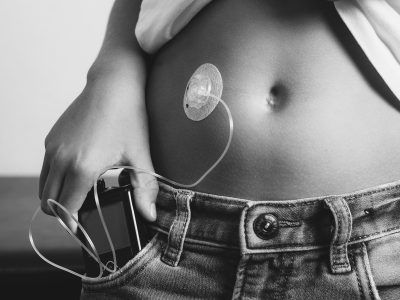
Imagine walking through the kitchen and grabbing a snack off the counter or a handful or grapes or nuts and before you can eat them you have to stop – prick your finger, calculate how many carbohydrates are in them then calculate a dose of medicine, then deliver the dose either via a shot or a pump and then (if you are in range) you can eat.. imagine doing that for everything you eat. Every single time.
Imagine having to know the nutritional content of absolutely everything you eat. Then using a calculation measure out a dose of medicine that you inject into your body. Now the doses change depending on time of day and activity level and actual nutritional breakdown of food (all carbs are not created equal) and different types of carbs require different amounts and timing of dosing. Now also imagine that these dosing needs are always changing and what worked yesterday may not work tomorrow and if you are tired or sick or stressed everything changes all over again.
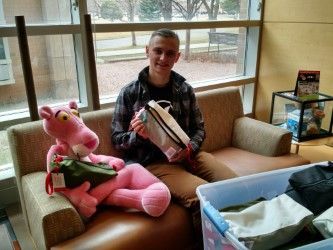
I have been in Boy Scouts since I was 7. It has been a great journey and I have learned a lot. Sadly, I am peaking my years of being a kid and I am getting closer each day to becoming an adult. Because scouting has been a big part of my life, I wanted to make my Eagle Project something that had a lot of meaning and helped a lot of people. I ended up making 30 low blood sugar kits for the Barbara Davis Center. The kits were to be given to newly diagnosed patients. I was very proud of the project and happy with the fact that I was going to give back and help an organization that had done so much for my family.
It took months to organize everything and gather all the supplies, but all the time and effort was well worth it. The kits ended up filling two big plastic bins and I raised $700 in donations from family and friends to make it happen.
Each kit is designed to be a useful tool in helping newly diagnosed patient take care of their blood sugar. Each kit contained:
- A Dopp Kit Bag- My family uses these bags and they are great for storing things long term or using on the go.
- Alcohol Pads- These are convenient to use for sanitizing fingertips before testing.
- Pen and a Note Pad- Great for recording carbs, numbers, anything you need to remember.
- Juice Boxes, Skittles, and Crackers- All store-bought necessities in tending to low blood sugar.
- A brochure telling our story- I felt that our story would give hope to newly diagnosed patients and their families.
Nutritional labels aren’t very accurate and even our ratios are just “best estimates” so there is a lot of room for “error” because a working pancreas changes what it does based on a so many invisible and complex physiological factors that we can’t see. Now your dose may be exactly what you should have given but it doesn’t always work out that way (remember so many factors that affect how the body will react) and it often happens that you gave yourself too much to too little medicine leading to crummy feelings and the need to “fix” it with either more food or more medicine. (Oh and if you don’t want to eat it all or want more you have even more adjusting to do) Now imagine being surrounded by people who think if you are too high or too low you must be doing something wrong.
Imagine doing this for virtually every single thing you eat.
Forever.
Now imagine this medicine you inject isn’t actually medicine at all, but it is a life sustaining hormone everyone’s body automatically makes unless they have type 1 diabetes. You need it like you need water, oxygen and food. So every shot is replacing something the body should be making for its self. Now imagine knowing that you need to inject it everyday multiple times for the rest of your life just to stay alive.
Then imagine doing all this so quickly people don’t even realize it’s happening because you’ve done it so many times. Now imagine making it look easy since people can’t see all that is going on in our heads and in our bodies. And imagine a world where sometimes it is just easier to hide the fact that you have diabetes because often it is just easier then having to deal with all the misconceptions and negative stigma.
Diabetes is not what people think it is. It is not give a shot and walk away. Just like your heart or lungs your pancreas is always working to keep you healthy and alive – unless you have type 1 diabetes.
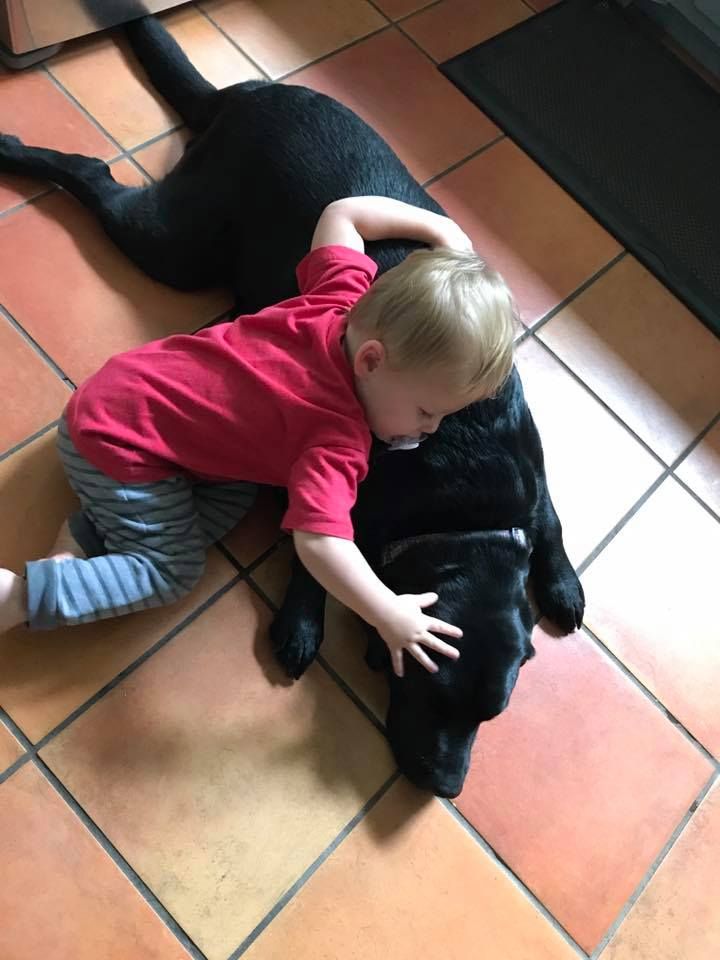
The job no one wants – being a pancreas.
It’s not easy being a pancreas – is the understatement of the year. No ones brain is set up to do this, but we try and we do the best we can.
It is relentless and tiresome and constant.
So we do the best we can and we keep pushing for advancement and awareness so that we can keep
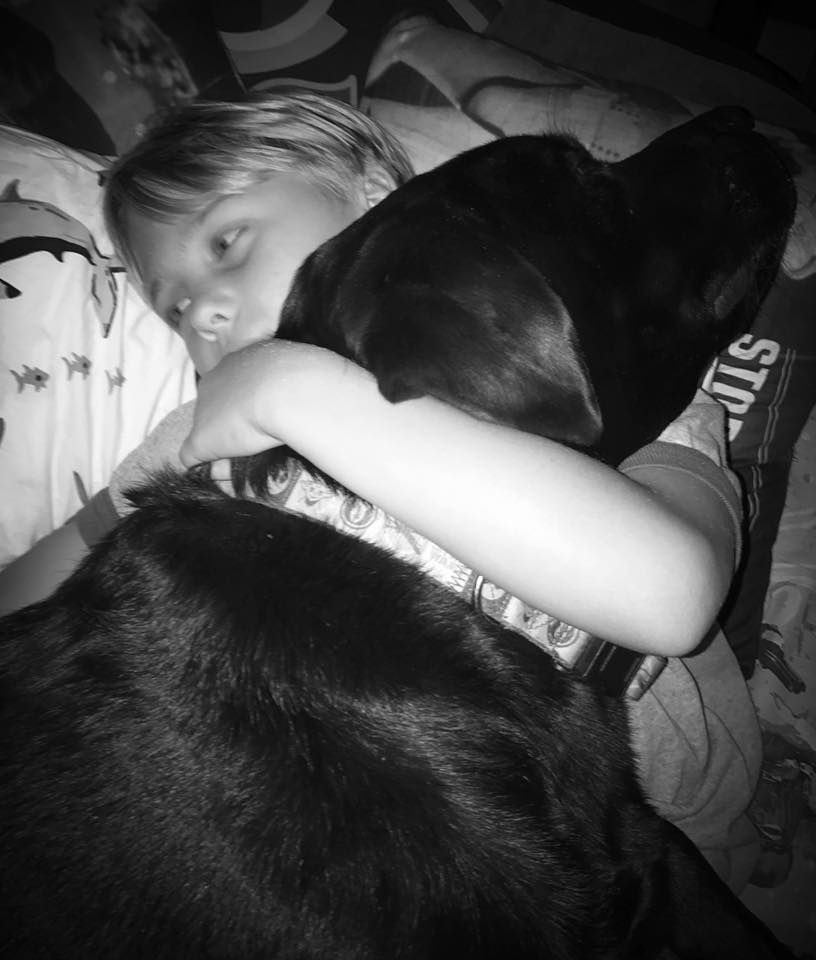
Luke as healthy and as happy as we can until there is a cure.
I believe sharing Luke’s story will help others begin to try to understand what life is like for one little boy living with type 1 diabetes. He doesn’t have to imagine all of this he lives it – I hope one day he will see a world without type 1 diabetes and just be able to grab a snack off the counter.